
Updated on: 2026-04-13
Stylish scarves add structure, color, and motion to everyday looks. This guide explains how to choose fabrics, patterns, and colors that harmonize with your wardrobe. You will also find a practical buyer’s checklist to evaluate comfort, size, and care. Finally, the article includes pros and cons, styling guidance, and a question section for common purchase concerns.
Table of Contents
Introduction
Pairing the right accessories with any outfit creates visual perfection. Stylish scarves can refine a simple look, soften sharp lines, and add a deliberate finish without requiring a full wardrobe change. When you select the correct fabric and color family, a scarf becomes a repeatable styling tool rather than a seasonal impulse purchase. In this guide, you will learn how to evaluate options, compare benefits and trade-offs, and choose scarves that align with your personal aesthetic, daily routine, and care preferences.
Did You Know?
- Scarves can visually rebalance proportions by drawing attention to the face and neckline.
- Lightweight scarves often style more easily for layering because they hold shape without bulk.
- Warm tones tend to create a cohesive effect with gold-toned jewelry, while cool tones often pair naturally with silver-toned accents.
- Pattern scale matters: smaller prints usually feel more refined, while larger motifs add bold presence.
- Many classic scarf styles can be worn in multiple ways, which increases value per wear.
Comparison: Pros & Cons
-
Pros of versatile scarves
- They work across many outfits, from office to weekend.
- They introduce color and texture without permanent wardrobe commitment.
- They can act as a lightweight layer during temperature shifts.
-
Cons to consider
- Fabrics differ significantly in care needs and longevity.
- Overly large scarves may look bulky if styling is not adjusted.
- Strong patterns may require more intentional outfit planning.
-
Pros of premium-feeling materials
- Better drape can improve how a scarf sits at the neckline.
- Higher comfort can support frequent wear.
- Improved finishing often reduces pilling and fraying over time.
-
Cons of delicate fabrics
- Some materials require gentle washing or careful storage.
- Heat exposure and abrasion can reduce softness and appearance.

Color swatches and neckline silhouettes suggest balance and focus
Buyer’s Checklist
Before you purchase, use this checklist to select scarves that fit your lifestyle. This approach reduces returns and improves satisfaction because it clarifies what “good” means for you.
- Material and drape — Choose a fabric that produces the look you want, whether you prefer smooth fall, airy movement, or structured folds.
- Weight — Lightweight options generally layer easily. Heavier fabrics feel cozier but may require simplified styling.
- Size and coverage — Consider the ways you plan to wear the scarf: neck drape, shoulder wrap, or accent wrap. Ensure the dimensions match your preferred method.
- Color strategy — Decide whether you want a scarf that blends into neutral outfits or one that becomes the focal point. Choose a dominant color that complements your most-worn tops.
- Pattern scale — For a refined effect, choose prints that are not overly busy. For a statement look, select a larger motif that contrasts with your clothing.
- Edge finishing — Look for neat hems and secure edges. Quality finishing supports longer wear and reduces fraying risk.
- Comfort at the neckline — If you are sensitive to texture, prioritize softer materials and consider how a scarf feels when it touches skin.
- Care requirements — Confirm whether the scarf needs gentle washing, air drying, or specific storage conditions.
- Styling adaptability — Select a scarf that can transition between seasons and multiple outfits. A multi-use scarf improves value.
How to Style Stylish Scarves for Different Outfits
Stylish scarves should enhance your outfit, not compete with it. The most effective styling choices are simple, repeatable, and aligned with your daily rhythm. Below are practical ways to style scarves across common scenarios.
Workwear and structured outfits
For tailored looks, aim for clean lines at the neckline. A narrow drape or a controlled knot can add softness without disrupting the silhouette of a blazer or shirt. Choose solid colors or subtle patterns to maintain a professional impression.
Casual daily dressing
Casual outfits benefit from movement. A loosely tied scarf or a shoulder wrap can add visual interest and introduce an intentional finishing detail. If your casual wardrobe already contains strong colors, select a scarf with a calmer palette.
Evening and occasion dressing
For events, scarves can work as a refined accessory that frames the face. Choose a satin-like finish or a fabric with a fluid drape. Pair bold patterns with simpler clothing to avoid visual overload.
Seasonal transitions
During changing temperatures, a scarf can replace a heavier layer. Select a medium weight fabric that can be worn comfortably indoors and outdoors. Neutral scarves often transition better, while seasonal colors add a timely highlight.

Layered fabric textures illustrate transitions from day to evening
Pairing Scarves with Fashion Jewelry
Scarves and accessories should work as a coordinated system. When you match the visual intensity of your scarf with your fashion jewelry, the result feels deliberate and polished.
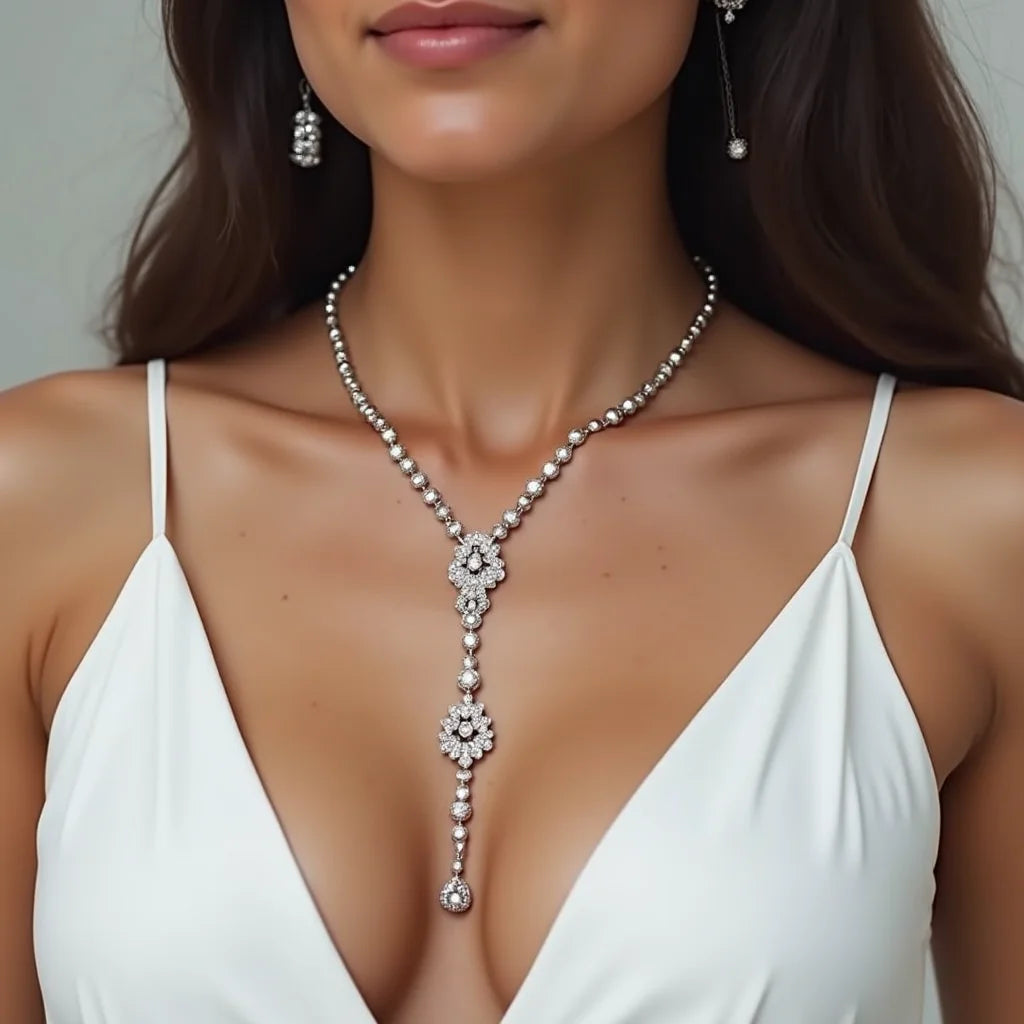
If you prefer a balanced approach, choose one primary focal element. For example, a patterned scarf can be paired with understated jewelry, while a solid scarf can support more noticeable details at the neckline. Pay attention to color temperature as well. Warm scarf tones often harmonize with gold-toned accents, while cool scarf tones may pair smoothly with silver-toned accents.
To support a cohesive styling strategy, consider using small neckline anchors. A delicate necklace can sit naturally under a scarf drape, and it can also prevent the scarf from feeling isolated as the only focal point. For jewelry ideas that align with accessory pairing, you can explore available options on scarf selection and then coordinate with compatible necklaces and earrings.
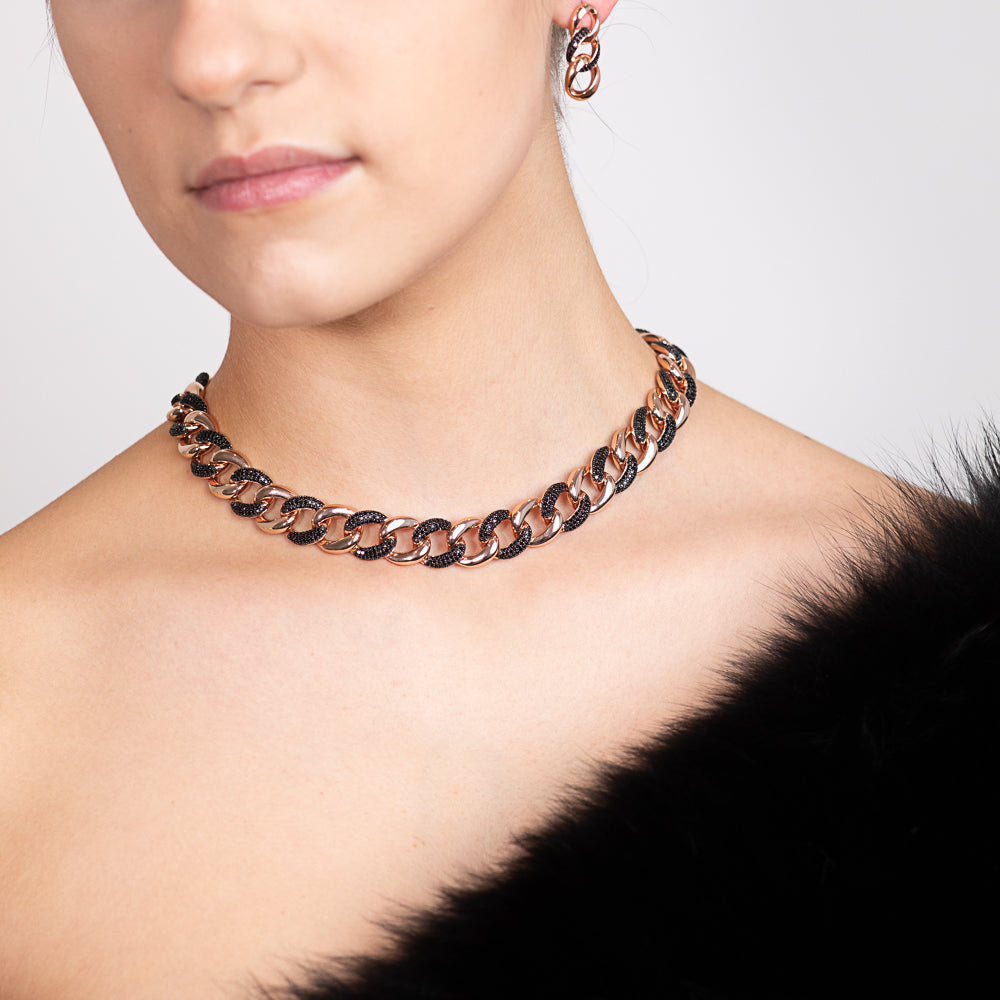
For a refined look, explore classic jewelry designs that complement accessory styling. You may also find inspiration in the broader collection, including rose gold and onyx chain necklace and celebrita necklace. If you are curating a capsule accessory set, consider how each piece interacts with scarf drape and neckline coverage.
Note: Scarves are accessories that pair with many styles of fashion jewelry. You should still evaluate comfort, scale, and how jewelry placement changes when a scarf is worn.
Care and Maintenance for Long-Term Wear
Scarves remain stylish when they are cared for properly. Small care decisions protect fabric softness, color clarity, and overall appearance. Use these guidelines to keep your scarf looking intentional and fresh.
- Follow the care instructions — Always prioritize the specific washing and drying guidance provided for your chosen scarf.
- Air drying — Many scarves maintain better shape and texture when dried in the open air.
- Gentle handling — Avoid harsh wringing or heavy force at the edges. Gentle handling reduces strain on seams.
- Storage — Store scarves folded or rolled to reduce friction. Use breathable storage to limit moisture exposure.
- Refresh between wears — Light airing can remove odors and reduce the need for frequent washing.
- Prevent pilling — If the scarf is made with delicate or blended fibers, minimize rubbing against rough surfaces.
If your lifestyle includes daily commutes and frequent scarf use, prioritize easy-care options. If you already own a scarf with higher-maintenance fabric, reserve it for outfits where its drape will be clearly visible.
Final Thoughts & Advice
Stylish scarves deliver consistent impact when selection is guided by fabric, size, color harmony, and care fit. Begin with your most worn outfits and choose a scarf that naturally complements them, either as a subtle enhancement or as a deliberate focal point. Maintain your scarf with careful storage and gentle cleaning habits, and you will preserve its look for seasons.
For practical inspiration on accessories, you may also find this resource useful: cat guide: stylish accessories that add charm to home decor. While it focuses on home and styling ideas, the underlying principle of intentional accessory coordination can translate into fashion organization.
Ultimately, a scarf should feel easy to style and satisfying to wear. When you approach buying with a checklist mindset, you reduce uncertainty and increase the likelihood of long-term use.
Q&A Section
What makes a scarf look more polished, even with simple outfits?
A polished scarf look usually comes from clean drape and intentional placement. Choose a fabric that falls smoothly and avoid overly complex knots. When possible, match the scarf color temperature with your jewelry tones and keep the rest of the outfit relatively simple.
How do I choose scarf colors when my wardrobe includes both warm and cool shades?
Start with your most frequent clothing colors. If your wardrobe is primarily warm, select a scarf with warm undertones such as golden beige, rust, or olive. If it is primarily cool, choose tones like navy, charcoal, or cool gray. If your wardrobe is mixed, neutral scarves with subtle accents often provide the most reliable pairing.
Are patterned scarves harder to style than solid scarves?
Patterned scarves are not necessarily harder, but they require balance. Use the scarf as the main visual element and keep other accessories and clothing details minimal. Smaller, tighter patterns generally blend more easily, while bold motifs work best with simpler tops.
What is the best way to store scarves to prevent wrinkles and fabric wear?
Fold or roll scarves to reduce friction and avoid stacking them in a way that causes tension on edges. Store in a breathable container and keep items away from direct moisture. For scarves that require extra care, wrap them in a soft layer to reduce surface abrasion.
About the Author
Vitalità Angels is a dedicated team of accessory and style enthusiasts focused on practical wardrobe building. Their expertise emphasizes coordinated styling, material awareness, and long-lasting accessory habits. They support shoppers through clear selection guidance that complements fashion jewelry and everyday dressing. Friendly and detail-oriented, they help you build a confident, intentional accessory routine.
Disclaimer: This article is for general information and style guidance only. Product details, availability, and care instructions may vary by item. Always follow the care label and retailer guidance associated with your specific purchase.