

Updated on: February 4, 2026
Italian jewelry craftsmanship represents centuries of artisanal excellence and refined design. This comprehensive guide explores the characteristics, value proposition, and cultural significance of authentic Italian jewelry pieces. Learn why these accessories command premium prices and how to identify genuine Made in Italy jewelry when shopping for timeless pieces that reflect superior quality and heritage.
Table of Contents
- The Rich Heritage of Italian Jewelry Craftsmanship
- Distinguishing Characteristics of Authentic Italian Pieces
- Myths Versus Facts About Italian Jewelry
- Personal Experience With Italian Artisanal Craftsmanship
- Why Italian Jewelry Represents a Smart Investment
- How to Identify Genuine Italian Jewelry
- Final Thoughts and Key Takeaways
- Frequently Asked Questions
The Rich Heritage of Italian Jewelry Craftsmanship
Italy has maintained its reputation as a global epicenter for jewelry manufacturing for generations. The tradition of creating exceptional adornments stretches back to ancient Roman times, when artisans developed techniques that still influence modern production methods. Italian jewelry craftsmanship reflects a commitment to quality that permeates every aspect of the creation process, from material selection to final finishing touches.
The regions of Tuscany, Veneto, and Campania have emerged as primary hubs for jewelry production, each developing distinct stylistic signatures. Artisans in these regions have perfected their craft through apprenticeships spanning years or even decades. This dedication to mastery ensures that each piece produced carries the weight of historical knowledge and contemporary artistic vision. When you invest in authentic Italian jewelry, you are acquiring not merely an accessory, but a tangible connection to centuries of refined aesthetic tradition.
The Italian jewelry industry employs hundreds of thousands of skilled workers who dedicate themselves to excellence. These professionals understand that their reputation depends entirely upon the quality of their output. This cultural emphasis on pride in workmanship distinguishes Italian producers from manufacturers operating under less rigorous standards. The commitment extends beyond simple production metrics to encompass genuine artistic expression and technical mastery.

Golden hands crafting delicate metalwork with precision tools and heritage techniques
Distinguishing Characteristics of Authentic Italian Pieces
Several hallmark features distinguish genuine Italian jewelry from lesser alternatives. The first consideration involves material composition and purity. Italian manufacturers consistently work with premium metals, including eighteen-karat gold, sterling silver, and platinum. These standards exceed minimum legal requirements in many countries, reflecting the industry's commitment to lasting value. Quality gemstones feature proper certification and careful selection based on color, clarity, and brilliance.
Design sophistication represents another defining characteristic. Italian pieces typically showcase harmonious proportions and balanced aesthetics that appeal to discerning consumers. The emphasis falls on timeless elegance rather than fleeting trends. This conservative approach to design ensures that pieces remain relevant and desirable across generations. Details such as clasp mechanisms, stone settings, and surface finishes demonstrate meticulous attention to functional beauty.
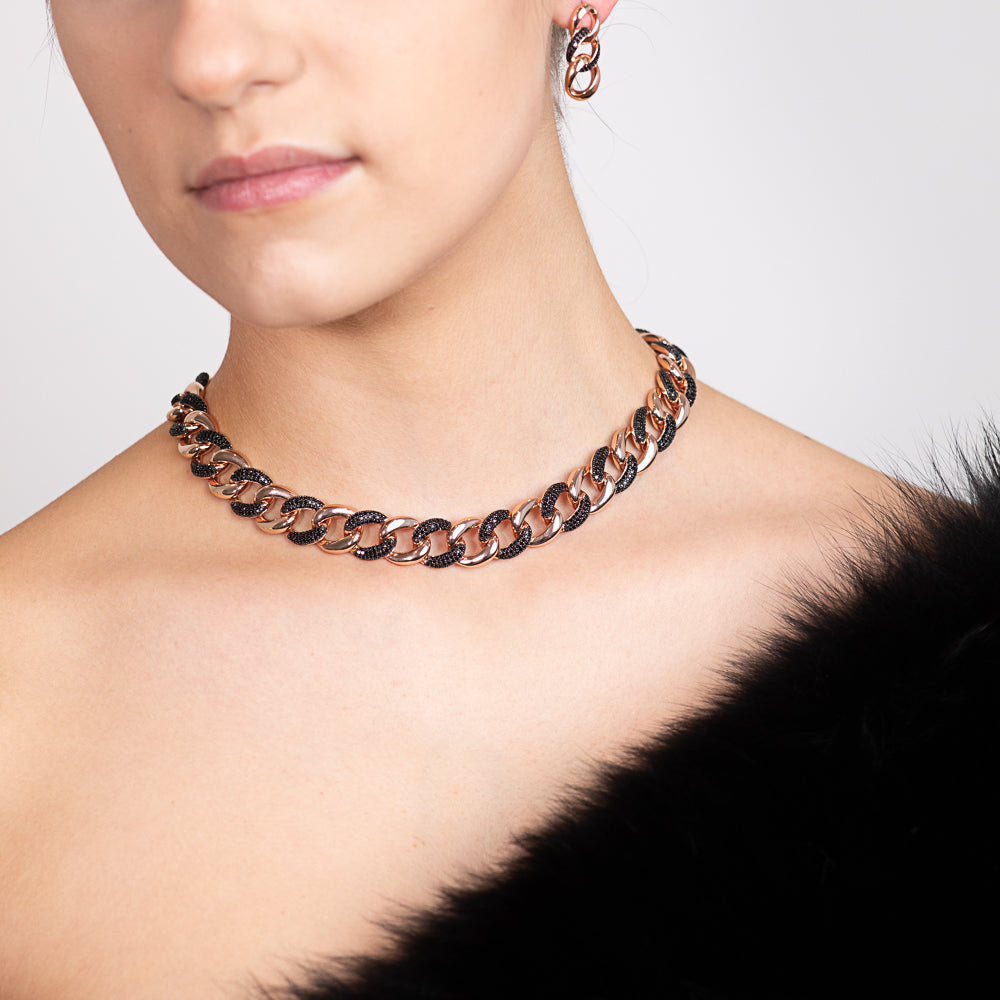
Craftsmanship quality manifests in numerous subtle ways. Hand-polishing produces lustrous surfaces with exceptional depth. Stone settings showcase secure positioning with minimal visible metal. Chain links feature consistent gauge and smooth finishing. Hallmarks and maker's marks appear crisp and precisely struck. These observable qualities provide reliable indicators of authentic Italian jewelry production standards.
Manufacturing transparency characterizes legitimate Italian jewelry producers. Reputable artisans maintain detailed documentation regarding material sourcing, production techniques, and quality assurance procedures. This transparency builds consumer confidence and supports the premium positioning of Italian jewelry collections in the global marketplace. Consumers increasingly value this accountability as they make informed purchasing decisions.
Myths Versus Facts About Italian Jewelry
- Myth: All jewelry bearing an Italian label originates from Italy. Fact: Labeling laws permit components manufactured elsewhere to be assembled in Italy. Authentic Italian jewelry should specify the production location and contain proper hallmarks indicating material composition and maker identification.
- Myth: Italian jewelry always commands astronomical prices. Fact: While premium pieces justify higher investment, quality Italian jewelry exists across diverse price points. Value depends upon materials, design complexity, and craftsmanship rather than location alone.
- Myth: Italian jewelry requires constant professional maintenance. Fact: Quality construction minimizes maintenance needs. Standard care practices including gentle cleaning and periodic professional inspection preserve pieces for decades or longer.
- Myth: Modern Italian jewelry sacrifices tradition for contemporary design. Fact: Contemporary Italian artisans successfully balance heritage techniques with current aesthetic sensibilities, creating pieces that honor tradition while remaining relevant to modern consumers.
- Myth: Purchasing Italian jewelry overseas guarantees authenticity. Fact: Counterfeit operations exist in multiple countries. Authentication requires verifying hallmarks, requesting certificates of authenticity, and purchasing from established authorized retailers.
Personal Experience With Italian Artisanal Craftsmanship
During a research visit to a family-operated workshop in Tuscany, I witnessed firsthand the meticulous processes that distinguish authentic production. The master craftsman, whose family had maintained the workshop for four generations, demonstrated the creation of a delicate gold bracelet. What struck me most profoundly was the deliberate pacing of the work. Rather than rushing toward completion, the artisan paused frequently to examine the piece from multiple angles, making minute adjustments that would remain invisible to most observers.
This experience clarified why Italian jewelry commands premium valuations. The investment in time, expertise, and materials becomes evident only to those who understand the production process. Conversations with workshop employees revealed their genuine passion for their work. Many had trained since childhood, absorbing knowledge through years of hands-on experience. This depth of commitment cannot be replicated through industrial automation or expedited training programs. It represents a conscious choice to prioritize excellence above efficiency metrics.

Artisan examining completed metalwork under magnification with focused studio lighting
Why Italian Jewelry Represents a Smart Investment
Beyond aesthetic appeal, Italian jewelry offers compelling investment characteristics. Quality pieces retain value over time, particularly when maintained in good condition. Unlike fashion accessories subject to rapid obsolescence, timeless Italian designs appreciate in cultural cachet. Collectors recognize that authentic pieces function as tangible assets with inherent material value supplemented by craftsmanship premiums.
Heritage plays a significant role in valuation. Jewelry produced by renowned Italian artisans or workshops commands higher market prices due to documented provenance and reputation. Limited production quantities further enhance value as rarity intensifies desirability. This economic reality distinguishes Italian jewelry from mass-manufactured alternatives that depreciate immediately upon purchase.
Sustainability considerations increasingly influence purchasing decisions among conscious consumers. Italian jewelry production emphasizes durability and longevity, reducing the environmental impact associated with frequent replacement cycles. By investing in pieces built to endure, consumers align their purchasing behavior with ecological responsibility. This convergence of aesthetic, financial, and environmental benefits positions Italian jewelry as a sophisticated choice for discerning individuals.
Explore our curated collection of Italian jewelry pieces to discover how tradition meets contemporary elegance in each carefully selected item.
How to Identify Genuine Italian Jewelry
Authentication begins with careful examination of hallmarks. Legitimate Italian jewelry displays maker's marks, material composition indicators, and sometimes manufacturer identification numbers. These stamps should appear crisp and consistent with historical marking conventions. Blurred, irregular, or suspiciously placed hallmarks suggest counterfeit production.
Request certificates of authenticity from reputable sellers. Established retailers provide documentation detailing material composition, gemstone characteristics, and manufacturing details. This documentation offers reassurance and supports potential future resale or insurance claims. Certificates from recognized gemological institutes add credibility to claimed specifications.
Purchase exclusively from authorized retailers and established jewelers with verifiable credentials. Reputable Italian jewelry retailers maintain strict quality standards and provide comprehensive guarantees. Avoid purchasing from unfamiliar online sources offering suspiciously discounted prices. The savings achieved through questionable channels often reflect inferior authenticity rather than legitimate market advantages.
Examine construction quality closely. Genuine pieces showcase secure stone settings, smooth metal surfaces, and properly functioning clasps. Solder joints appear neat and invisible when properly executed. Welds demonstrate consistent quality throughout. These observable characteristics require genuine craftsmanship and cannot be convincingly replicated through inferior manufacturing methods.
Final Thoughts and Key Takeaways
Italian jewelry represents far more than decorative ornamentation. These pieces embody centuries of refined tradition, technical mastery, and artistic vision. The commitment to quality that characterizes authentic Italian production justifies premium investment from consumers seeking enduring value and timeless aesthetics. By understanding the characteristics that distinguish genuine pieces, making informed purchasing decisions becomes significantly easier.
The heritage of Italian craftsmanship continues flourishing in contemporary workshops where artisans honor ancestral techniques while embracing modern design sensibilities. This synthesis produces pieces that resonate across generations and transcend passing fashion trends. Whether purchasing your first Italian jewelry piece or expanding an existing collection, prioritize authenticity, quality documentation, and established retailers who stand behind their merchandise.
Ultimately, investing in authentic Italian jewelry reflects a commitment to excellence, longevity, and refined aesthetic appreciation. These pieces serve as meaningful expressions of personal style while providing lasting financial value. The combination of superior materials, exceptional craftsmanship, and timeless design creates acquisitions that reward careful selection with decades of enjoyment and potential appreciation.
Frequently Asked Questions
What distinguishes Italian jewelry from jewelry produced in other countries?
Italian jewelry typically features higher material standards, superior craftsmanship, and design sophistication rooted in centuries of tradition. Italian manufacturers emphasize hand-finishing techniques, quality gemstone selection, and meticulous attention to detail. The regulatory environment in Italy requires specific hallmarking standards and material composition documentation that exceed requirements in many other countries. Additionally, the cultural emphasis on artisanal excellence and heritage craftsmanship permeates Italian production in ways that distinguish these pieces from industrially manufactured alternatives.
How can I verify that jewelry I am purchasing is actually made in Italy?
Examine hallmarks carefully, as authentic Italian jewelry displays maker's marks and material composition stamps in standardized formats. Request certificates of authenticity from the retailer, which should detail manufacturing location and material specifications. Purchase exclusively from established, authorized retailers with verifiable credentials and customer reviews. Be cautious of suspiciously discounted prices or sellers unwilling to provide documentation. Reputable artisans take pride in their Italian heritage and readily provide evidence supporting their claims of Italian manufacture and quality.
Is Italian jewelry always expensive?
While premium Italian pieces command high prices, quality jewelry from Italy exists across various price points depending on materials, complexity, and the reputation of the artisan or workshop. Entry-level pieces in sterling silver with modest design complexity cost significantly less than eighteen-karat gold pieces featuring complex designs or premium gemstones. Value depends upon specific materials and craftsmanship rather than location alone. Consumers can find beautiful, authentic Italian jewelry at mid-range prices that offer excellent value when purchased from legitimate retailers.
How should I care for Italian jewelry to maintain its condition?
Store pieces in cool, dry locations protected from direct sunlight to prevent damage to gemstones and metal tarnishing. Clean gently using soft cloths and mild soap solutions designed for jewelry care. Avoid exposing pieces to harsh chemicals, extreme temperatures, or rough handling. Consider professional cleaning and inspection annually to ensure clasps function properly and settings remain secure. Quality Italian jewelry withstands standard care practices remarkably well, requiring minimal maintenance compared to inferior alternatives. Most pieces benefit from occasional professional attention but demand no extraordinary care procedures.
Are Italian jewelry pieces suitable for everyday wear?
Many Italian jewelry pieces feature exceptional durability suitable for regular wear, particularly those crafted from platinum, eighteen-karat gold, or high-quality sterling silver. Design quality ensures that secure stone settings and robust construction withstand daily use. However, delicate pieces featuring intricate designs or fragile stone arrangements may warrant more careful handling. Discuss intended use with retailers or artisans when selecting pieces, as their expertise guides suitable choices for specific lifestyle requirements. Quality Italian jewelry often improves with age, developing character and patina that enhance rather than diminish aesthetic appeal.
What makes Italian jewelry a good investment?
Authentic Italian pieces retain value over time due to durable construction, timeless design, and cultural prestige associated with Italian craftsmanship. Material composition in quality pieces provides inherent value supplemented by premiums reflecting artisanal excellence. Limited production quantities and documented provenance enhance collectibility and appreciation potential. Unlike fashion jewelry that depreciates immediately, quality Italian pieces function as tangible assets with intrinsic and market value. The combination of aesthetic appreciation, potential financial appreciation, and practical longevity makes these acquisitions intelligent long-term investments for discerning consumers.
How do I find authentic Italian jewelry retailers?
Research retailers thoroughly, examining customer reviews, certifications, and established business histories. Authorized dealers of recognized Italian brands maintain standards and provide guarantees. Visit showrooms personally when possible to examine pieces directly and interact with knowledgeable staff. Verify that retailers provide proper documentation, certificates of authenticity, and clear return policies. Established retailers demonstrate pride in their inventory and educate customers about materials, craftsmanship, and care requirements. Avoid purchasing from unfamiliar online sources offering extraordinary discounts or lacking verifiable credentials.
What role does sustainability play in Italian jewelry production?
Italian artisans increasingly emphasize sustainable practices including ethical material sourcing, reduced waste in production processes, and minimal environmental impact. The emphasis on durability inherent in Italian design reduces replacement frequency, lowering overall environmental consequences compared to fast-fashion jewelry requiring frequent changes. Many Italian workshops maintain transparency regarding supply chains and employ environmentally responsible techniques. By investing in pieces built to endure, consumers support sustainability principles while acquiring accessories designed to provide decades of enjoyment.
Can Italian jewelry pieces be repaired or modified by other jewelers?
Quality construction characterizing authentic Italian jewelry facilitates repairs and modifications by skilled jewelers. However, entrust such work exclusively to qualified professionals with demonstrable expertise in precious metals and gemstone handling. Original artisans or authorized representatives may offer restoration services preserving the integrity of the original design. Modifications risk compromising the piece's value and aesthetic coherence, so approach alterations thoughtfully after consulting with experienced professionals regarding feasibility and potential consequences.
What guarantees do legitimate Italian jewelry retailers provide?
Established retailers offer comprehensive guarantees covering material composition accuracy, craftsmanship quality, and mechanical function of moving components. Many provide lifetime guarantees on structural integrity and workmanship. Return policies typically allow examination periods permitting customers to confirm satisfaction before finalizing purchases. Certificates of authenticity guarantee material specifications and manufacturing origin. Reputable businesses stand behind their merchandise and readily address legitimate customer concerns. These guarantees reflect confidence in product quality and provide consumer protection against fraud or manufacturing defects.
How has Italian jewelry design evolved over time?
Contemporary Italian artisans successfully balance heritage techniques with modern aesthetic sensibilities, creating designs that honor tradition while remaining relevant to current consumers. Historical styles continue influencing contemporary work while new design movements emerge reflecting evolving preferences. Italian workshops demonstrate remarkable adaptability, incorporating contemporary materials and technological innovations while maintaining core commitments to quality and craftsmanship. This evolution allows Italian jewelry to remain desirable across generations rather than becoming relegated to historical artifact status. The result represents living tradition that acknowledges the past while embracing the present.
What gemstones pair best with Italian jewelry designs?
Italian designers traditionally favor gemstones that complement refined aesthetics and demonstrate exceptional quality. Diamonds remain popular for their versatility and lasting brilliance. Sapphires, emeralds, and rubies feature prominently in Italian designs due to their rich colors and durability. Less common stones including aquamarine, topaz, and tourmaline appear frequently in contemporary Italian creations. Selection ultimately depends upon personal preference and intended use. Consult with jewelry professionals regarding gemstone characteristics, durability ratings, and suitability for specific design applications and lifestyle requirements.
About the Author
Vitalità Angels Editorial Team
The Vitalità Angels team brings extensive expertise in jewelry craftsmanship, Italian design heritage, and consumer education to every article we produce. Our contributors include industry professionals with decades of experience in jewelry authentication, artisanal production, and international market trends. We remain committed to providing accurate, comprehensive information that empowers consumers to make informed purchasing decisions. Through careful research and direct engagement with artisans and retailers, we deliver content that honors the rich traditions of Italian jewelry while addressing contemporary consumer concerns. We invite you to explore our full collection and discover the enduring elegance that distinguishes authentic Italian jewelry.